Archives
- 2026-06
- 2026-05
- 2026-04
- 2026-03
- 2026-02
- 2026-01
- 2025-12
- 2025-11
- 2025-10
- 2025-09
- 2025-03
- 2025-02
- 2025-01
- 2024-12
- 2024-11
- 2024-10
- 2024-09
- 2024-08
- 2024-07
- 2024-06
- 2024-05
- 2024-04
- 2024-03
- 2024-02
- 2024-01
- 2023-12
- 2023-11
- 2023-10
- 2023-09
- 2023-08
- 2023-07
- 2023-06
- 2023-05
- 2023-04
- 2023-03
- 2023-02
- 2023-01
- 2022-12
- 2022-11
- 2022-10
- 2022-09
- 2022-08
- 2022-07
- 2022-06
- 2022-05
- 2022-04
- 2022-03
- 2022-02
- 2022-01
- 2021-12
- 2021-11
- 2021-10
- 2021-09
- 2021-08
- 2021-07
- 2021-06
- 2021-05
- 2021-04
- 2021-03
- 2021-02
- 2021-01
- 2020-12
- 2020-11
- 2020-10
- 2020-09
- 2020-08
- 2020-07
- 2020-06
- 2020-05
- 2020-04
- 2020-03
- 2020-02
- 2020-01
- 2019-12
- 2019-11
- 2019-10
- 2019-09
- 2019-08
- 2019-07
- 2019-06
- 2019-05
- 2019-04
- 2018-11
- 2018-10
- 2018-07
-
The highest concentrations from several tens to
2020-09-28
The highest concentrations (from several tens to often hundreds or thousands ng/L) are reported in animal farm flush water, and associated runoffs and lagoons in China and in the U.S. Lower concentrations are reported in WWTP influents and effluents. In WWTP influent waters DRO, LNG, NET and PRG hav
-
A putative SHBG receptor SHBG R has been postulated for
2020-09-28
A putative SHBG raf inhibitors (SHBG-R) has been postulated for about thirty years [66], [69], [70]. The characterization of this receptor has been researched by several groups. There are different ideas on how this receptor works. On the one hand Fortunati et al. provide evidence that SHBG is alre
-
In humans the ER is encoded
2020-09-28
In humans, the ERα is encoded by the gene ESR1, located on chromosome 6, locus 6q25.1 (Gosden, Middleton, & Rout, 1986). In addition to the full-length ERα isoform (66kDa), several shorter isoforms (36kDa, 46kDa) have been identified as a result of the presence of alternate start codons, or as produ
-
To identify and characterize new possible molecular targets
2020-09-28
To identify and characterize new possible molecular targets, the mechanisms of various kinds of TCDD toxicities that occur by abnormal regulation in the downstream of AhR signals have been studied (Yoshioka et al., 2011). Experimental evidence has revealed that prostanoids (i.e., prostaglandins and
-
Future advances in the in vivo molecular imaging of
2020-09-28
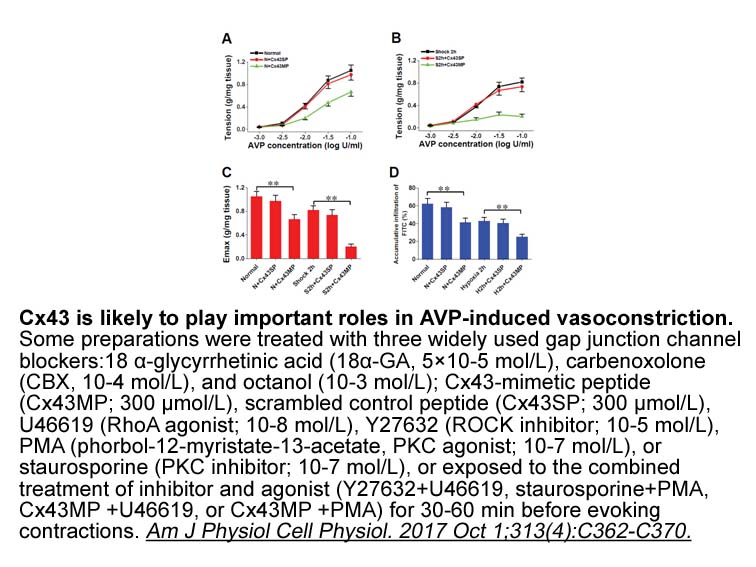
Future advances in the in vivo molecular imaging of enzyme activity will greatly benefit from the progress towards the quantitative detection of enzymes. Quantitative imaging requires knowledge of both the location and concentration of a specific enzyme, which is dependent on the simultaneous measur
-
To provide a brief critical evaluation of this technology an
2020-09-28
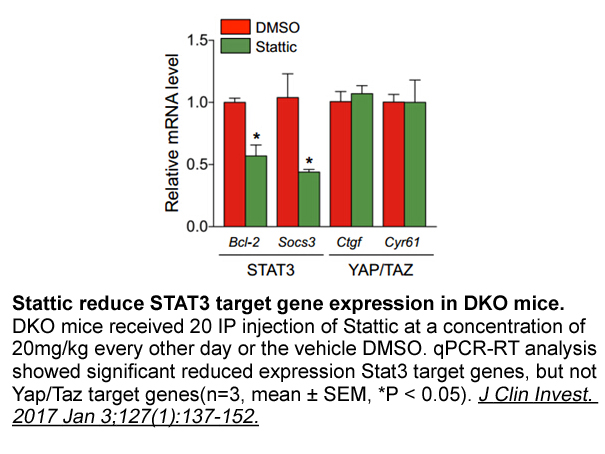
To provide a brief critical evaluation of this technology and an outlook, we note that performance of SMEPT is critically dependent on each of the components making up this platform, namely the substrate, the enzyme, and the prodrug. With regards to the latter, SMEPT is built on the experience and
-
br Early developments Historically the advent of SMEPT can
2020-09-28
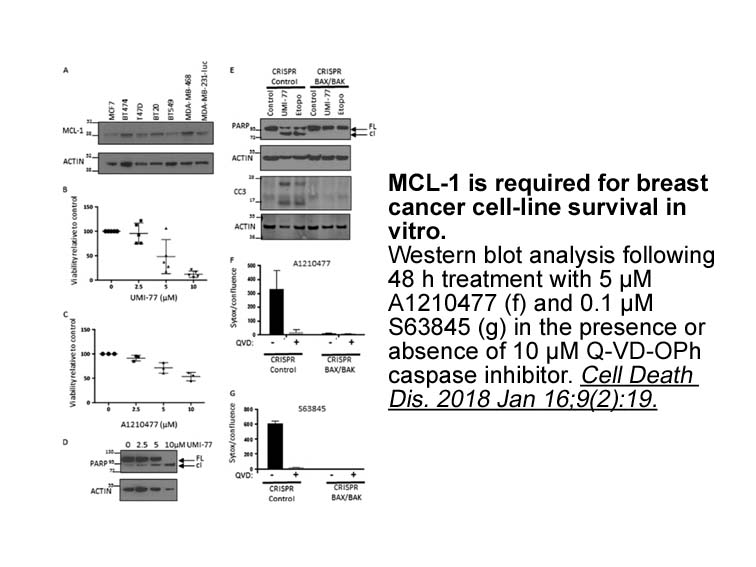
Early developments Historically, the advent of SMEPT can be traced to the 1980′s, where the first example of localized prodrug conversion was achieved using a judiciously placed enzyme – in order to achieve a localized feed of 5-fluorouracil (5-FU). Immobilization of E. coli-derived cytosine deam
-
The discoidin domain receptors DDR and DDR are receptor
2020-09-28
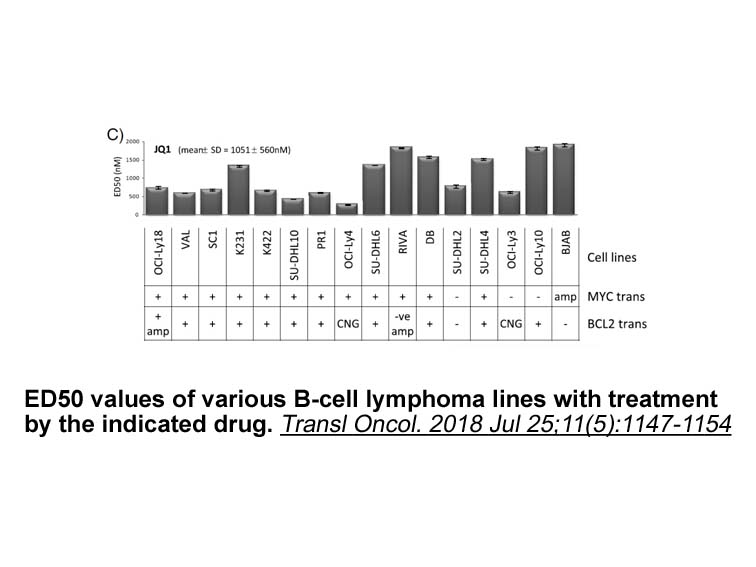
The discoidin domain receptors, DDR1 and DDR2, are receptor tyrosine kinases (RTKs) that are stimulated by collagen in the extracellular matrix (ECM). Unlike most other RTKs, they form ligand-independent stable dimers that are non-covalently linked. This ECM activation induces receptor phosphorylati
-
Gene expression profiling with corresponding clinical data s
2020-09-28
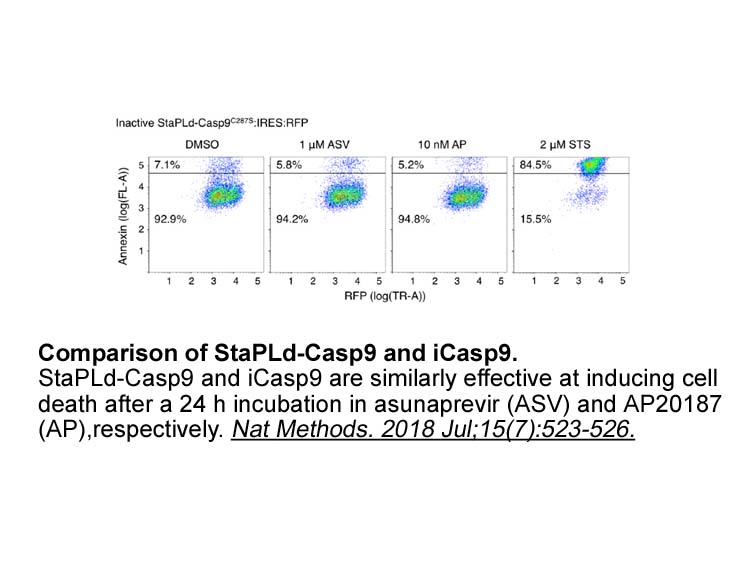
Gene Tenovin-3 sale profiling with corresponding clinical data supported the notion that increased expression of S1PR1 in DLBCL was associated with poor outcome [159], [160], [161]. These studies also identified increased expression of the GPCRs GPR183, CCR7, ADRB2 and CNR2 as risk factors for poor
-
br Experimental Procedures Further details and an
2020-09-28
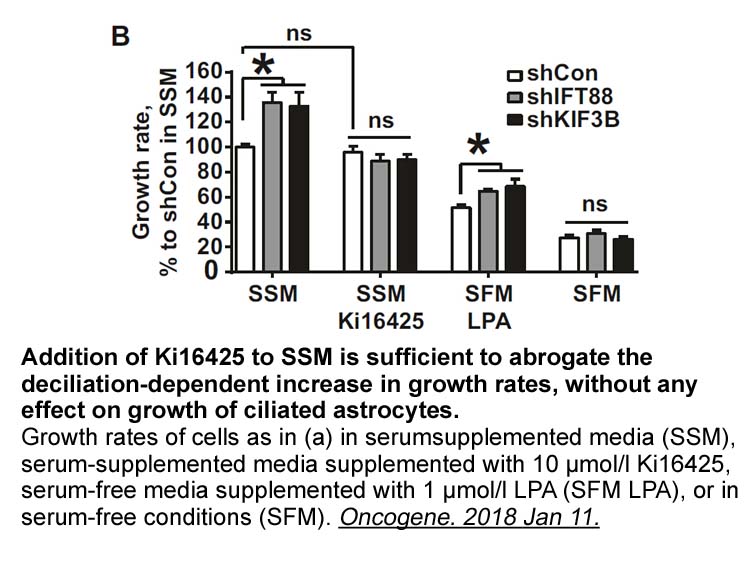
Experimental Procedures Further details and an outline of resources used in this work can be found in Supplemental Experimental Procedures. Introduction In response to T cell-dependent (TD) antigen stimulation, antigen-specific Fmoc-Gln(Trt)-OPfp synthesis migrate to the periphery of B cell f
-
To get an indication whether GBM derived OHC could
2020-09-28
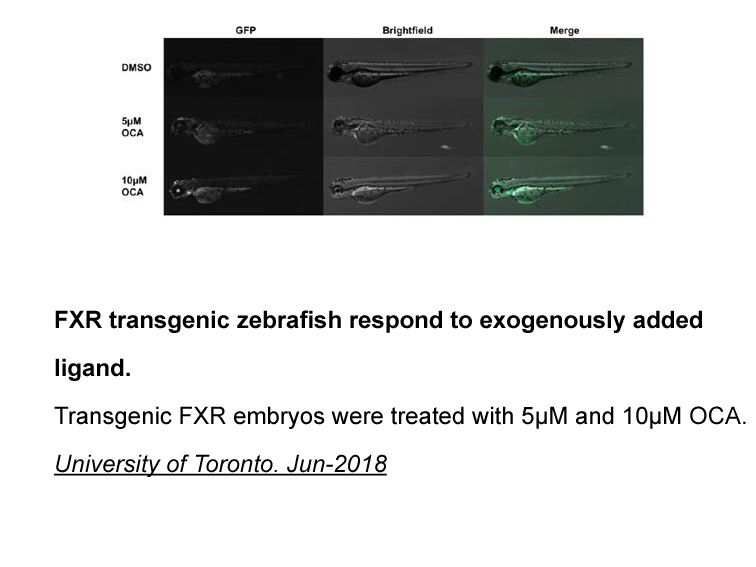
To get an indication whether GBM-derived 25-OHC could act as a chemotactic signal for monocytes, lipid extracts of GM133 media were used in THP-1 migration assays. Although an indirect approach, these experiments revealed that medium lipid extracts induced monocyte migration in a quantitatively comp
-
Structural characterization of A S Given the
2020-09-27
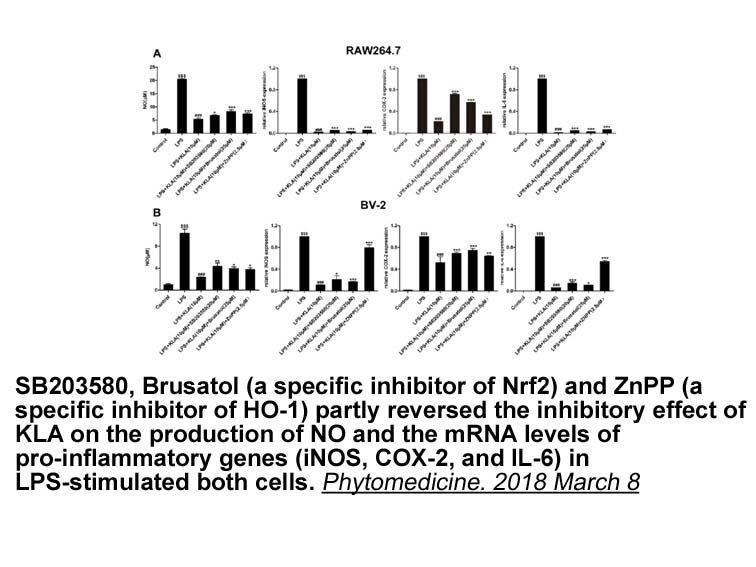
Structural characterization of A1S_0222. Given the low specific activity of our protein preparations and the considerable problems to concentrate the protein to levels above 2.5 mg/mL, we employed SAXS to structurally characterize and generate a low-resolution model of A1S_0222 in solution. Fig. 5
-
br Results br Discussion Thus the biochemical and structural
2020-09-27

Results Discussion Thus, the biochemical and structural studies of six Maf proteins from different organisms have revealed two subfamilies of new enzymes with the metal-dependent nucleoside triphosphate pyrophosphatase activity against both canonical and noncanonical pyrimidine nucleotides (Yh
-
Previous and ongoing clinical trials
2020-09-27
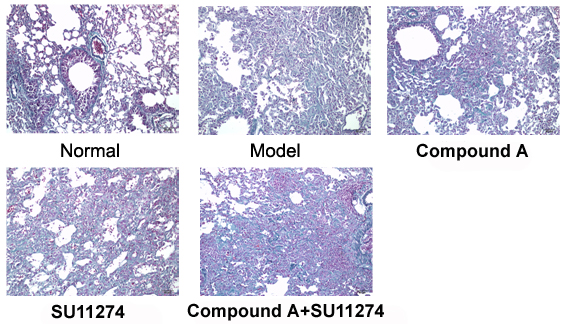
Previous and ongoing clinical trials have been summarized in a recent review (Siaw-Debrah et al., 2017). To our knowledge, there are no ongoing or completed clinical trials focusing on cytokines in ICH. Published studies have focused mainly on cytokine changes in ICH patients (summarized in Table 3)
-
CysLTs trigger contractile and inflammatory processes throug
2020-09-27
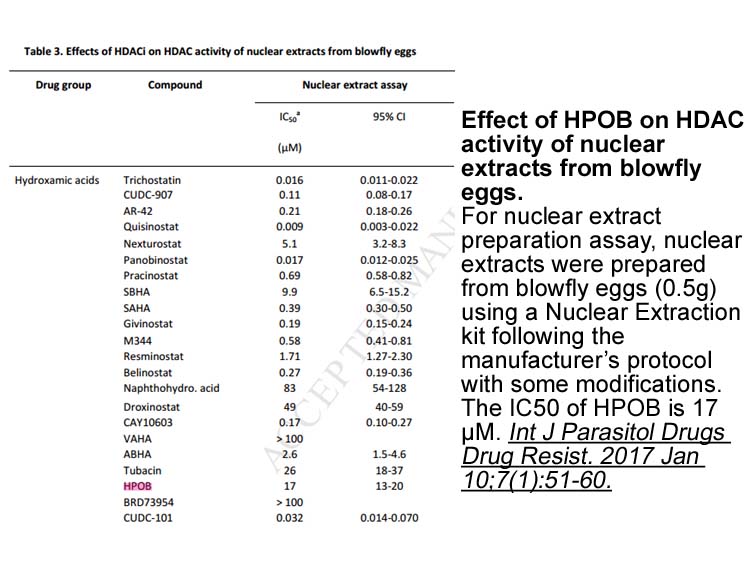
CysLTs trigger contractile and inflammatory processes through the specific interaction with cell surface receptors belonging to the rhodopsin family of the G protein-coupled receptor (GPCR) genes. Until now, two receptor subtypes have been cloned, namely CysLT1 and CysLT2[8]. In particular, when the
16747 records 825/1117 page Previous Next First page 上5页 821822823824825 下5页 Last page