Archives
- 2026-08
- 2026-07
- 2026-06
- 2026-05
- 2026-04
- 2026-03
- 2026-02
- 2026-01
- 2025-12
- 2025-11
- 2025-10
- 2025-09
- 2025-03
- 2025-02
- 2025-01
- 2024-12
- 2024-11
- 2024-10
- 2024-09
- 2024-08
- 2024-07
- 2024-06
- 2024-05
- 2024-04
- 2024-03
- 2024-02
- 2024-01
- 2023-12
- 2023-11
- 2023-10
- 2023-09
- 2023-08
- 2023-07
- 2023-06
- 2023-05
- 2023-04
- 2023-03
- 2023-02
- 2023-01
- 2022-12
- 2022-11
- 2022-10
- 2022-09
- 2022-08
- 2022-07
- 2022-06
- 2022-05
- 2022-04
- 2022-03
- 2022-02
- 2022-01
-
br Factor Xa an enzyme
2022-01-04
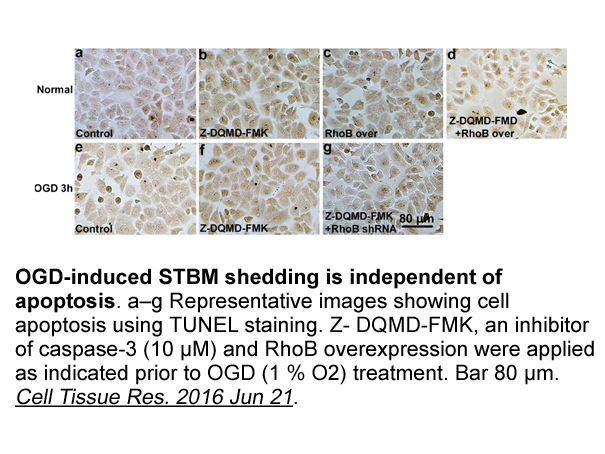
Factor Xa, an enzyme in the coagulation cascade, has recently been identified as having a role in inflammation, generating interest in factor Xa inhibitors as anti-inflammatory agents beyond their established use as anticoagulants [, , , ]. We report sustained clinical and electrophysiologic impro
-
br Experimental procedures br Conflicts of interests br
2022-01-04
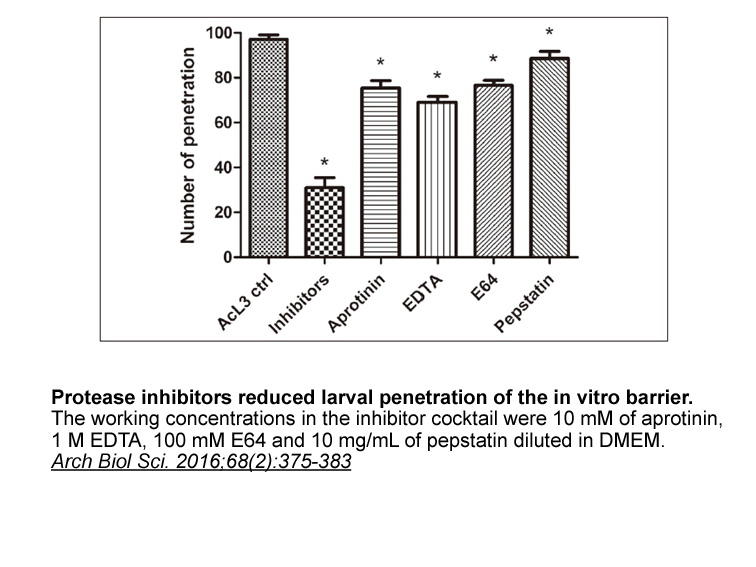
Experimental procedures Conflicts of interests Introduction Here we investigate differences in growth properties and short-term morphological changes in response to ET-1 in Chinese hamster ovary (CHO) cells stably and separately expressing ETA or ETB receptors. A stably transfected CHO syst
-
Miltefosine Allergic rhinitis characterized by inflammation
2022-01-03
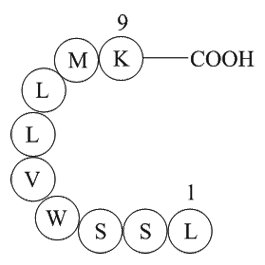
Allergic rhinitis, characterized by inflammation of the nasal membrane, results from an over-activated immune system exposed to Miltefosine in sensitized individuals, and is associated with nasal congestion, rhinorrhea, sneezing, and pruritus. As histamine is a key mediator in triggering allergic r
-
br Materials and methods br
2022-01-03
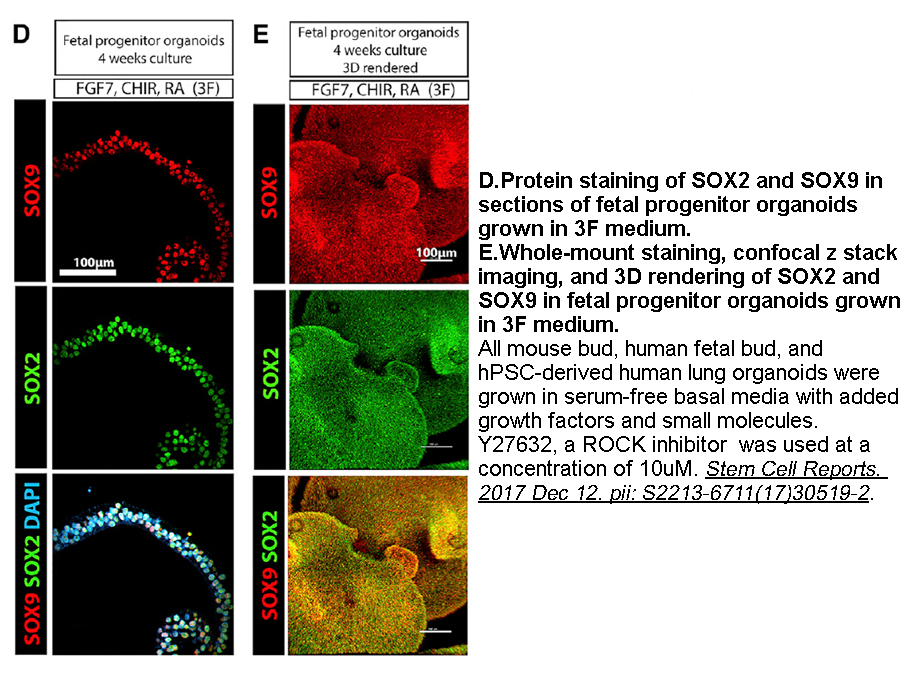
Materials and methods Results Our data indicated that 1,8-cineol leads to a noticeable but not significant (p = 0.07) 45% decreased phosphorylation of GSK-3α/β at Ser-9/21. Phosphorylation of GSK-3α/β at Tyr-279/216 was not affected (Fig. 1A/B). To ensure, that the decreased phosphorylation of
-
Active compounds and were further
2022-01-03
Active compounds , , and were further tested and EC and pEC values were determined as shown in . Compound showed EC of 0.97μM (pEC 6.01) with 84.5% maximal response, which suggests that introduction of alkyl chain on aromatic nucleus of , resulted in improved GPR40 agonistic activity than that of (E
-
Multiple mechanisms have been suggested by
2022-01-03
Multiple mechanisms have been suggested by which glucagon can increase energy expenditure although none have been conclusively proven to be responsible. Both enhanced gluconeogenesis and enhanced protein turnover secondary to hyperglucagonaemia have been suggested as the reason for the increased met
-
br Introduction HH GLI signaling is one of
2022-01-03
Introduction HH-GLI signaling is one of the major pathways involved in both normal and neoplastic development [[1], [2], [3], [4]]. Inappropriate activation of this pathway has been linked to cancer, including medulloblastoma, rhabdomyosarcoma, basal cell carcinoma and cancers of the lung, stomac
-
br Presenilins in protein trafficking proteolysis
2022-01-03
Presenilins in protein trafficking, proteolysis and degradation An obvious explanation for the role of presenilins and γ-secretase in protein trafficking and degradation is that many reported γ-secretase substrates are functionally involved in protein transport. For example, members of the mammal
-
However protection against kainic acid induced
2022-01-03
However, protection against kainic acid-induced injury was not found by Lin et al. (2003) in the rats with AAV-GAL vector-mediated galanin overexpression, even though these animals, as mentioned earlier, exhibited attenuated of seizure severity. Although the reason for the controversy between the st
-
depicts the synthesis of series with
2022-01-03

depicts the synthesis of series with a four-step sequence. First, the commercially available 4-hydroxybenzaldehyde () was condensed with 2-bromoethanol through Mitsunobu reaction to give the key intermediate (). Next, conventional nucleophilic substitution reaction with the privileged structures (
-
In the FARM motifs of GGPPSs hydrophobic amino acids
2022-01-03
In the FARM motifs of GGPPSs, hydrophobic farnesyl diphosphate synthase are replaced by aliphatic amino acids, which are more flexible residues and allow the entrance of longer substrates into the pocket (Wang and Ohnuma, 2000). It has been reported that the lepidopteran Manduca sexta CA possesses
-
Furthermore the identification of the inhibitory effect of P
2022-01-03
Furthermore, the identification of the inhibitory effect of P. grandiflorum and ginseng extract on HDAC represents an effective workflow for gene expression similarity-based repositioning of nutraceuticals. Acknowledgments This research was supported by Basic Science Research Program through the
8397 records 560/560 page Previous First page 上5页 556557558559560