Archives
- 2026-10
- 2026-09
- 2026-08
- 2026-07
- 2026-06
- 2026-05
- 2026-04
- 2026-03
- 2026-02
- 2026-01
- 2025-12
- 2025-11
- 2025-10
- 2025-09
- 2025-03
- 2025-02
- 2025-01
- 2024-12
- 2024-11
- 2024-10
- 2024-09
- 2024-08
- 2024-07
- 2024-06
- 2024-05
- 2024-04
- 2024-03
- 2024-02
- 2024-01
- 2023-12
- 2023-11
- 2023-10
- 2023-09
- 2023-08
- 2023-07
- 2023-06
- 2023-05
- 2023-04
- 2023-03
- 2023-02
- 2023-01
- 2022-12
- 2022-11
- 2022-10
- 2022-09
- 2022-08
- 2022-07
- 2022-06
- 2022-05
- 2022-04
- 2022-03
- 2022-02
- 2022-01
-
The G R mutation is located at
2023-09-23

The G1202R mutation is located at the solvent front of the ALK kinase domain adjacent to the inhibitor's binding pocket. Although barely reported in the setting of crizotinib resistance, it has emerged as the most refractory mutation to both the first- and second-generation ALK inhibitors. The large
-
br Introduction Clinical manifestations of Alzheimer
2023-09-22
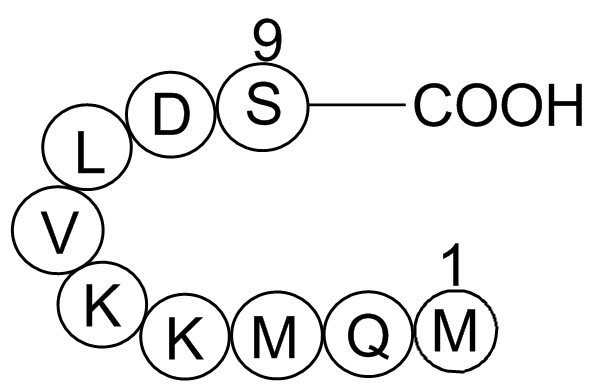
Introduction Clinical manifestations of Alzheimer's disease (AD) are mainly characterized by progressive intellectual deterioration, memory impairment, cognitive impairment, and psychiatric symptoms. The pathogenesis of AD remains unclear, mainly containing genetic factors, neurotransmitter disor
-
Given the powerful and ubiquitous nature of adenosine action
2023-09-22
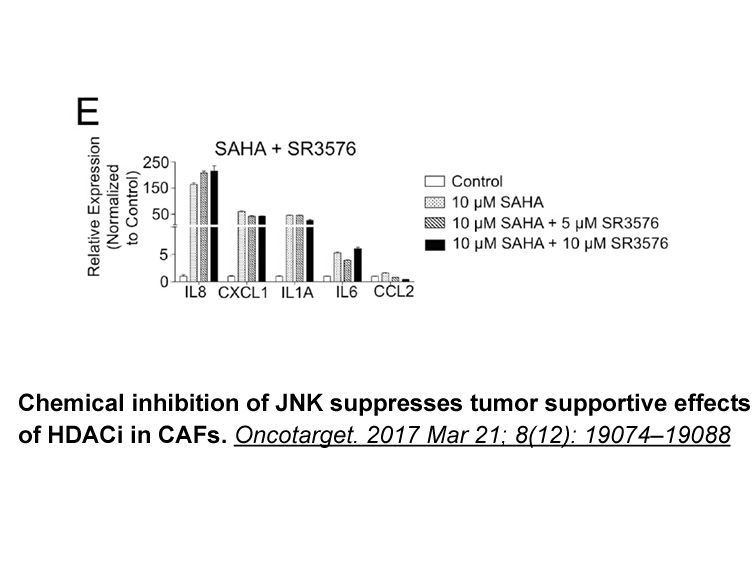
Given the powerful and ubiquitous nature of adenosine action within the CNS, basal levels of extracellular adenosine are carefully regulated and are estimated to be in the region of 30–300 nM (Fredholm et al., 2001). The two main pathways for the control of extracellular adenosine involve phosphoryl
-
Luciferase Immunoprecipitation Systems LIPS which utilizes r
2023-09-22

Luciferase Immunoprecipitation Systems (LIPS), which utilizes recombinant antigens fused to the enzyme reporter Renilla luciferase (Ruc) to detect patient antibodies, provides a unique platform to investigate THZ2 directed against a variety of antigenic targets [25]. Previously, LIPS has been used
-
br Experimental section br Results and discussion br Conclus
2023-09-22
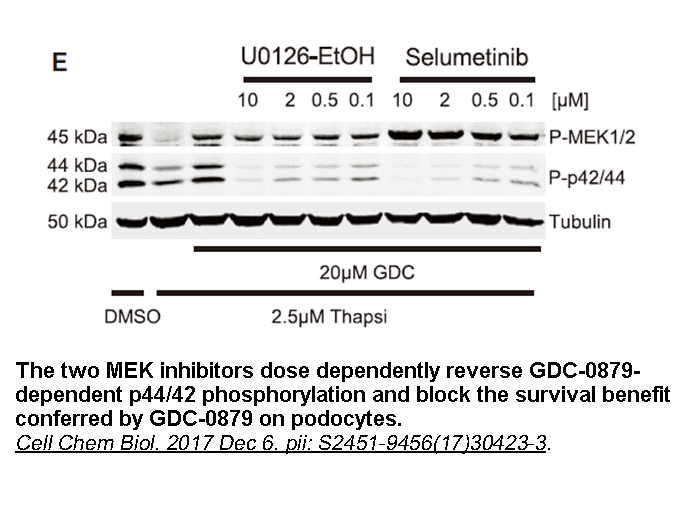
Experimental section Results and discussion Conclusion Acknowledgements This work was financially supported by Recruitment Program of Global Experts, and the Director Foundation of XTIPC, CAS, Grant No. 2015RC011. This work was also financially supported by Natural Science Foundation of
-
br Conclusion The HT receptor family is complex
2023-09-22
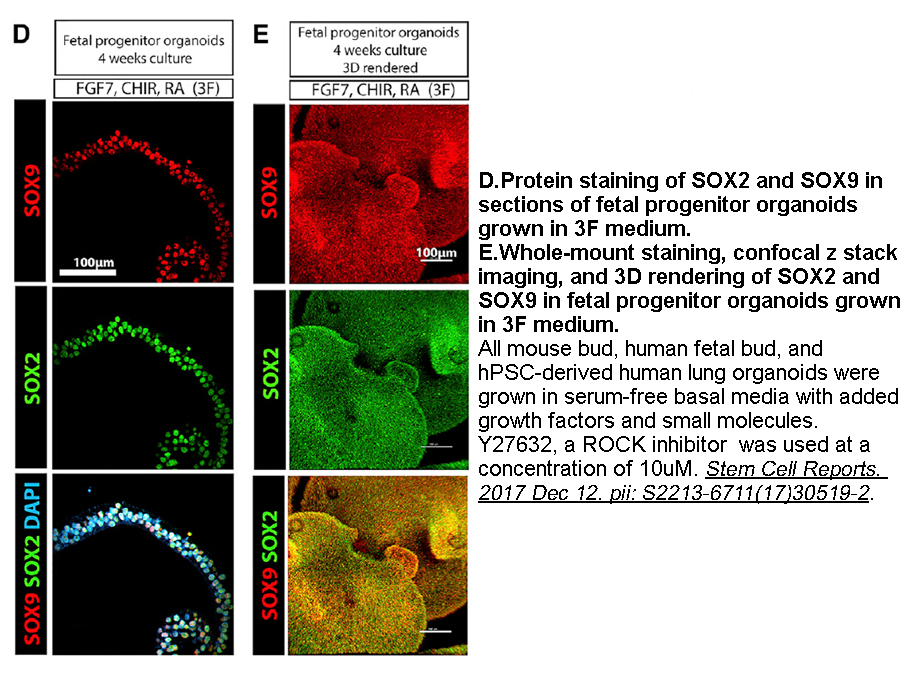
Conclusion The 5-HT receptor family is complex, and one may ask as does Bryan Roth et al. [205] whether this is useless UM171 (i.e. too much redundancy) or an embarrassment of the riches (i.e. many potential targets to choose from to affect normal or pathological function); molecular biology has
-
br Introduction In the past two decades graphene and
2023-09-22
Introduction In the past two decades, graphene and graphene based nanomaterials with unique physicochemical properties have attracted great attentions in many fields including biomedicine and biotechnology. Graphene oxide (GO) and its derivatives have shown promising potential as biological and c
-
Based on its kinetic parameters and quaternary structure R
2023-09-22
Based on its kinetic parameters and quaternary structure, R. pycnus arginase is a typical ureotelic L-arginase [2]. The Km value of the enzyme was lower than other arginases from other organisms (Table 2), including S. cerevisiae (15.7mM), B. anthracis (10mM), B. caldovelox (3.4mM), human liver (2.3
-
In previous years evidence emerged that inferred
2023-09-22
In previous years, evidence emerged that inferred secondary metabolites in plants might exhibit a potential arginase inhibition [36]. In a recent study, Pham and co-workers showed the inhibitory activity of chlorogenic Nexturastat A (7) and piceatannol (8) (Fig. 3b) on mammalian arginase with IC50s
-
The objectives of this study were to investigate the mRNA
2023-09-22
The objectives of this study were to investigate 1) the mRNA and protein expression of apelin and APJ in porcine ovarian follicles of different sizes, and their immunolocalization and concentrations in follicular fluid and ovarian follicle, and 2) the direct effect of recombinant human apelin-13 on
-
The results of our in vivo experiments
2023-09-22
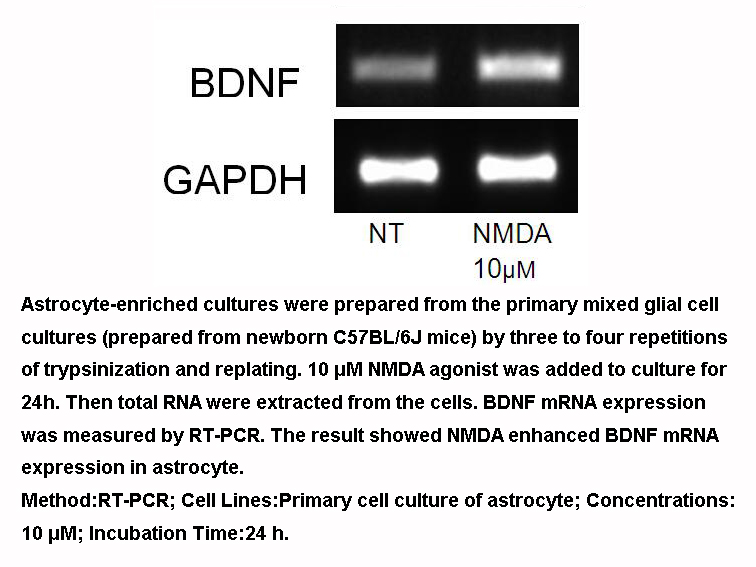
The results of our in vivo experiments provide promising evidence that the apelin/APLNR axis is implicated in CCA growth and that targeting this axis with a receptor specific antagonist may help develop effective, tumor directed therapies. Not only do we show decreased proliferation and angiogenesis
-
Among all the polysaccharide derivatives cationic carbohydra
2023-09-22
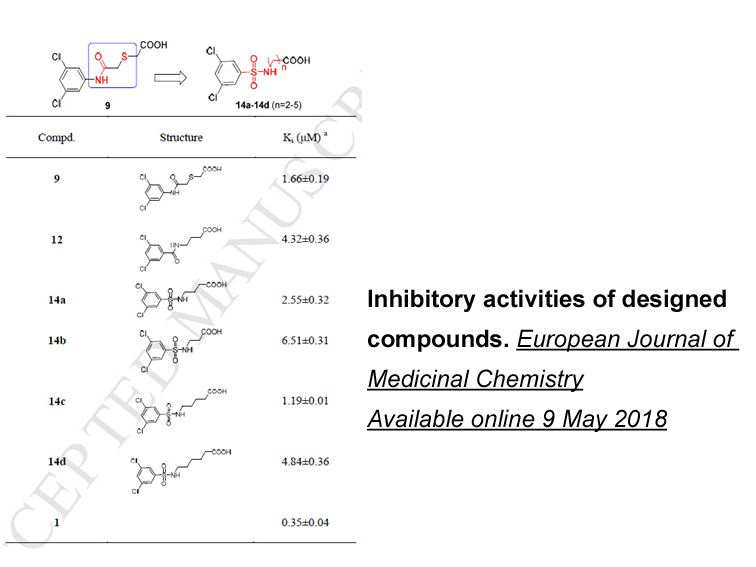
Among all the polysaccharide derivatives, cationic carbohydrate polymers such as quaternary ammonium salts and quaternary phosphonium salts have been the most popular and most efficient target byl719 in medical applications [24] and water treatment [25]. Recently, quaternary phosphonium salts were r
-
br Obstructing SNARE zippering Sharma et al demonstrated for
2023-09-22
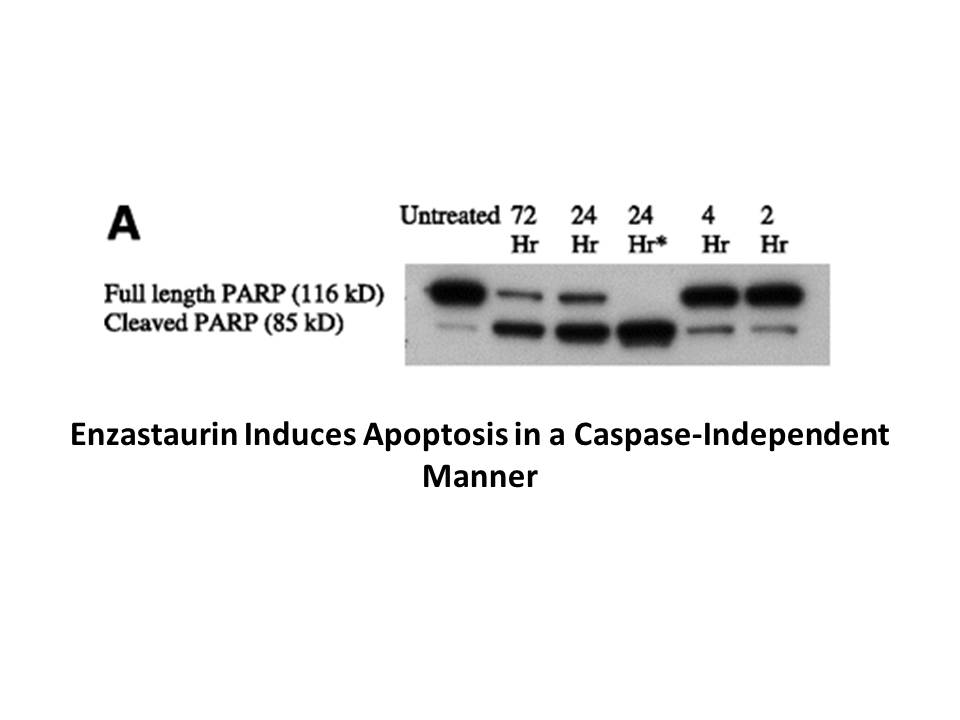
Obstructing SNARE “zippering” Sharma et al. demonstrated for the first time that in the postmortem AD brains, the level of SNARE complex formation, which is necessary for driving synaptic vesicle fusion at the presynaptic active zone, is significantly reduced [123]. In the absence of changes in e
-
Analysis of the crystal structures of
2023-09-22
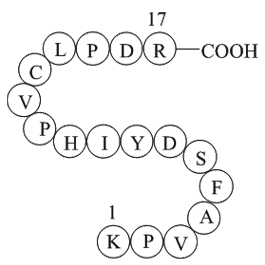
Analysis of the crystal structures of LAPs from E. coli[29], bovine eye lens [30], Pseudomonas putida[27], tomato [31] and P. falciparum[32] revealed that the monomer of M17-family LAP is composed of two domains: the smaller, variable N-terminal domain and the larger, conserved C-terminal domain tha
-
br Introduction Chronic kidney disease CKD is a
2023-09-22
Introduction Chronic kidney disease (CKD) is a worldwide public health problem. This problem is even worse in socioeconomically deprived countries because lower income and social deprivation are associated with higher incidence of reduced GFR, progressive kidney function loss and end stage renal
8479 records 308/566 page Previous Next First page 上5页 306307308309310 下5页 Last page